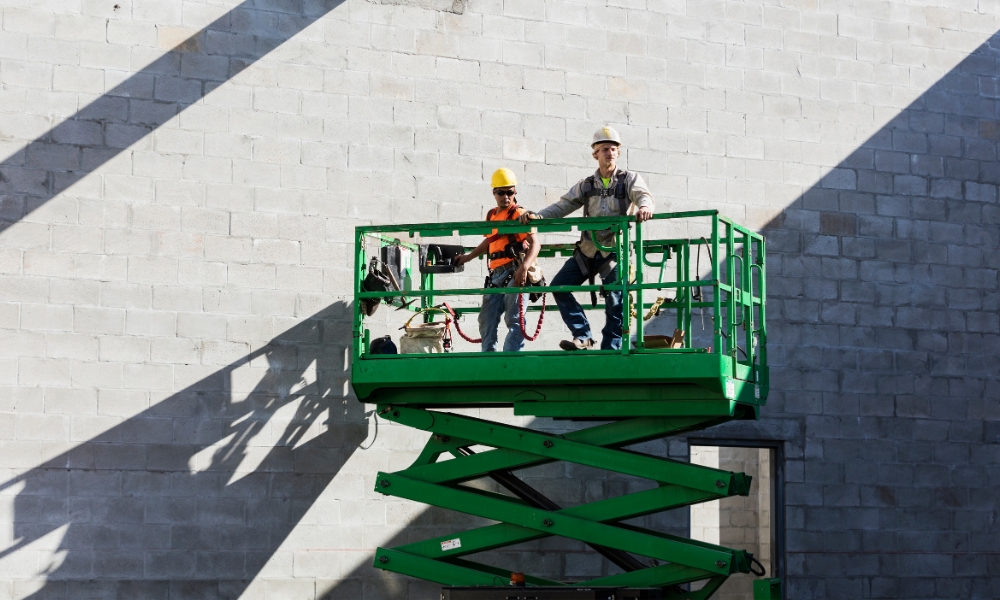

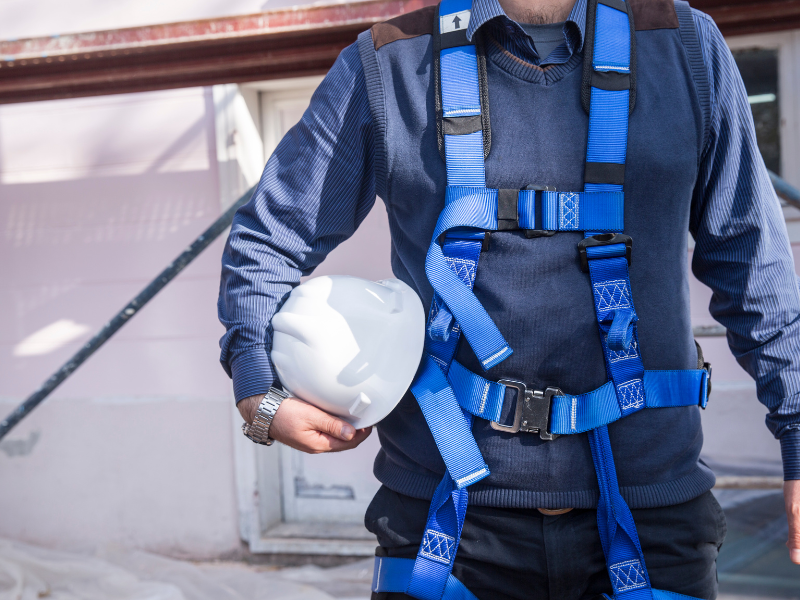
There are certain occupational safety hazards construction workers are exposed to. Heavy machinery, work at heights, big loads, moving structures, dangerous materials present on site, and it doesn’t exhaust the topic. Understanding the causes of accidents can minimize the risk of their occurrence significantly.
Falling from height
A lot of construction work requires using ladders, walking on the scaffoldings or performing tasks when lifted by a dedicated vehicle. Although it can’t be avoided, if something can be assembled on the ground, it could definitely help the case. Construction workers have to be extremely cautious with every step and perform everything according to the safety rules even if it slows down the process. It is requisite for employees working at height to be professionally trained in this area and licensed to do it safely.
Slipping and tripping
Uneven terrain, mud, ever changing surroundings and lots of obstacles make it often difficult to navigate the place without a single trip. Construction site is a specific space abounding in unwanted traps such as slippery surfaces or challenging topography. This is why you are always required to wear a hardhat and ensure that you use other personal protective equipment as advised.
Being struck by a moving object
It would be impossible to name all possibilities, but the most common accidents in this category include unwanted physical contact with varied vehicles, machines, and objects falling from the cranes, scaffolds or other platforms positioned overhead. In order to limit the potential harm, it is vital to wear protective gear, avoid interactions with moving objects and put on a visibility jacket.
Interaction with electricity
Electric shock is not only a highly unpleasant experience but it also can be fatal. Unfortunately, they are not uncommon. Majority of equipment involves electrics, and there are cables present even underground. This is why ensuring the machines are in a proper condition before using them and double-checking the terrain before proceeding with an excavation can prevent potential strikes.
There is nothing more important than a professional course that will prepare you to operate all kinds of machines safely and without exposing yourself to unnecessary risk of injury. At Construction and Plant Services we offer a variety of training that ensure your future qualifications and safety. Get in touch with our experts and start off your career wisely.