For Companies: pay only 30% with CITB Employer Network Funding

Enquire now

NPORS N132 Plant Mover Course

NPORS N132 Plant Mover Course

The NPORS N132 Plant Mover Course provides training and assessment for people who need to reposition plant machinery without carrying out its normal productive duties.

Candidates learn how to inspect, start, move, manoeuvre, park and shut down specified plant safely. Training also covers the limitations of the Plant Mover role, manufacturer’s instructions, site hazards and the precautions required when working with unfamiliar machinery.

The course can be delivered at our training centre near Wellingborough or at a suitable customer site elsewhere in the UK.

Tell CPTS which machines your candidates need to move, where the training will take place and what previous experience they have. We will help you select the appropriate training and registration route.

What Is the NPORS N132 Plant Mover Course?

N132 is designed for people who need to move plant as part of maintenance, storage, inspection, cleaning, delivery or site logistics.

A Plant Mover may reposition machinery:

  • around a plant hire depot or storage yard;
  • between designated areas of a construction site;
  • into or out of a workshop;
  • to a maintenance or inspection bay;
  • to a wash-down area;
  • into a safe parking position;
  • in preparation for collection or transportation.


The course focuses on controlled movement and the safety procedures associated with it. Candidates are not trained to use the machine for excavation, lifting, loading, compacting or other productive work.

Who Should Take the N132 Plant Mover Course?

The course may be suitable for:

  • plant mechanics and fitters;
  • maintenance technicians;
  • plant hire depot employees;
  • yard and workshop personnel;
  • cleaning and wash-bay teams;
  • inspectors and service engineers;
  • delivery and collection personnel;
  • logistics teams;
  • supervisors responsible for plant storage;
  • construction workers who occasionally reposition machinery.


No previous Plant Mover qualification is normally required for suitable novice training.

Experienced candidates may require less instruction, but their knowledge, practical ability and familiarity with the relevant machinery should be reviewed before the course route is agreed.

What Does the N132 Course Cover?

Course content is adapted to the machinery, candidate experience and working environment.

Training normally includes:

  • responsibilities and limitations of the Plant Mover role;
  • relevant health and safety requirements;
  • using the manufacturer’s handbook;
  • identifying major machine components;
  • locating and understanding the main controls;
  • steering, braking and emergency controls;
  • safety devices and warning systems;
  • safe mounting and dismounting;
  • appropriate personal protective equipment;
  • pre-use inspections;
  • defect reporting procedures;
  • correct starting and stopping methods;
  • configuring the machine for travel;
  • checking the intended route and destination;
  • travelling forwards and backwards;
  • controlled steering and manoeuvring;
  • working on suitable gradients and slopes;
  • moving through restricted areas;
  • maintaining clearance from people and structures;
  • overhead and underground hazards;
  • ground conditions and machine stability;
  • environmental considerations;
  • attachments and their effect on travel;
  • safe parking and shutdown;
  • machine security and key control;
  • awareness of loading and unloading procedures.


Practical exercises will reflect the types of machinery agreed before the course.

Pre-Use Checks and Machine Familiarisation

Before moving a machine, the candidate must understand its controls, operating characteristics and safety systems.

Pre-use checks may include:

  • tyres, wheels, tracks and undercarriage components;
  • fluid levels and visible leaks;
  • access steps, handholds and guards;
  • mirrors, windows and cameras;
  • steering and braking systems;
  • lights, beacons and warning alarms;
  • seat belts and other restraint systems;
  • hydraulic components and hoses;
  • attachments and locking arrangements;
  • signs of damage or excessive wear.


A defect that could affect safe movement must be reported through the correct workplace procedure. The machine should not be used until the issue has been assessed and the required action taken.

Controls and safety systems can differ between makes and models. Holding an N132 registration does not remove the need for appropriate familiarisation before someone is authorised to move an unfamiliar machine.

What Are Non-Operational Duties?

Non-operational duties involve moving a machine without using it to perform its normal work.

For example, an N132 candidate may reposition an excavator but should not use it to dig, grade or lift a suspended load. They may move a roller into a storage area but should not use it to compact the ground.

The course does not automatically qualify a candidate to:

  • excavate or grade material;
  • lift suspended loads;
  • load vehicles;
  • move or tip materials;
  • compact the ground;
  • operate specialist attachments;
  • complete production cycles;
  • direct plant from outside the machine;
  • sling or signal loads;
  • secure plant for road transport.


Separate training and assessment may be required for these duties.

Where a candidate will use the machine for its intended productive task, a full operator course for the relevant plant category will usually be more appropriate.

Practical Plant Mover Training and Assessment

Candidates receive supervised practical instruction on the machinery selected for the course.

Practical exercises may include:

  • using the manufacturer’s information;
  • completing pre-use checks;
  • mounting and dismounting safely;
  • adjusting the seat and restraint system;
  • starting the machine correctly;
  • preparing attachments for travel;
  • checking the proposed route;
  • travelling forwards and backwards;
  • steering through open and restricted areas;
  • stopping accurately;
  • maintaining safe clearances;
  • responding to warning indicators;
  • following instructions from an authorised marshal;
  • selecting an appropriate parking location;
  • completing shutdown and security procedures.


Candidates complete the relevant NPORS knowledge and practical assessments.

They must demonstrate that they can move the specified machinery safely, identify relevant hazards, report defects and remain within the limitations of the Plant Mover role.

Course Duration and Entry Requirements

The duration of the NPORS N132 Plant Mover Course depends on:

  • the candidate’s previous experience;
  • the number of candidates;
  • the types of machinery involved;
  • differences between machine controls;
  • the amount of practical instruction required;
  • the training location;
  • the selected registration route.


CPTS will confirm the expected timetable after reviewing the candidates and the machines they need to move.

Candidates should:

  • have sufficient spoken and written English to follow the training and assessment;
  • provide the identification stated in their joining instructions;
  • be medically fit to use the machinery;
  • wear suitable clothing and the required PPE;
  • be able to access the operating position and use the controls safely;
  • follow the instructor’s safety directions.


Tell CPTS about any learning, language or accessibility requirements before the course so that suitable arrangements can be considered.

NPORS Card and Registration Options

The appropriate NPORS registration route should be agreed before training takes place.

Depending on the candidate’s workplace and existing qualifications, available options may include:

  • NPORS Traditional registration;
  • NPORS/CSCS Trained Operator Card;
  • NPORS/CSCS Competent Operator Card.


Traditional NPORS registration can be issued for three or five years, depending on the requirements agreed by the operator, employer and training provider.

The NPORS/CSCS Trained Operator Card is normally valid for two years and is intended for candidates who have not yet achieved the required vocational qualification.

The NPORS/CSCS Competent Operator Card is normally valid for five years and requires the applicable vocational qualification and scheme conditions to be met.

CPTS will explain the available options before the course is booked.

N132, N120 or N133 – Which Course Do You Need?

These courses cover different responsibilities.

N132 Plant Mover

N132 is for the person sitting in the machine and using its travel controls to reposition it during non-operational duties.

N120 Plant Loader & Securer

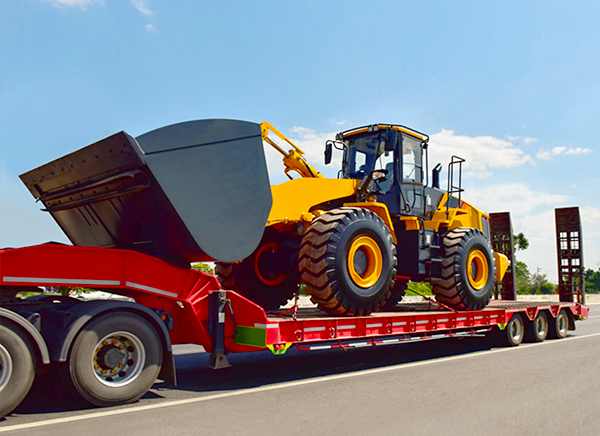
Candidates responsible for loading machinery onto transporters, preparing the transport vehicle or applying securing equipment may require the NPORS N120 Plant Loader & Securer Course.

N132 includes awareness of loading and unloading procedures, but it should not be treated as a replacement for dedicated loader and securer training.

N133 Plant Machinery Marshal

N133 is for the person standing outside the machine and directing its movement using agreed signals or radio communication.

A Plant Mover may need to work with a trained marshal where visibility is restricted or the route passes through a confined or busy area.

Tell CPTS what the candidate will be expected to do. We can help determine whether N132, N120, N133 or a full machine operator course is appropriate.

On-Site Plant Mover Training

NPORS N132 training can be delivered at a suitable customer site.

The customer will normally need to provide:

  • the machines candidates are expected to move;
  • relevant manufacturer’s handbooks;
  • serviceable and compliant equipment;
  • a segregated practical training area;
  • suitable routes and parking positions;
  • sufficient space for manoeuvring;
  • relevant risk assessments and site information;
  • barriers or signs where required;
  • suitable welfare facilities.

The machines and training area should remain available throughout the agreed training and assessment period.

On-site training can be particularly useful for workshops, plant hire depots and employers who want candidates to train on the makes and models used in their workplace. 

Plant Mover Training Near Wellingborough

Training can also be arranged at our centre near Wellingborough.

Centre-based delivery may be suitable for individuals or employers who do not have suitable machinery or a segregated practical area available at their own workplace.

The machine types required should be discussed with CPTS before the booking is confirmed.

Why Book with CPTS?

CPTS provides NPORS training for individual candidates, plant hire businesses, contractors, workshops and employers across the UK.

Before confirming the course, we review:

  • the duties candidates will perform;
  • the machines they need to move;
  • their previous experience;
  • the proposed training location;
  • whether productive operation is required;
  • whether loading, securing or marshalling duties are involved;
  • the required NPORS registration route.


This helps ensure that candidates receive training that reflects their actual responsibilities rather than booking a category that does not cover the work they will perform.
Book the NPORS N403 Vehicle Marshal Course

When enquiring, tell us what vehicles are involved, where the training will take place and how much marshalling experience the candidates have.

We can then confirm the training route, practical requirements and appropriate NPORS registration option.

Call CPTS on 01234 604 151 or use the course enquiry form for current dates and prices.

FAQ - NPORS N132 Plant Mover Course

What is the NPORS N132 Plant Mover Course?

The N132 course provides training and assessment for people who need to reposition plant machinery without carrying out its normal productive duties. It covers inspections, controls, safe travel, manoeuvring, parking and shutdown procedures.

What are non-operational plant duties?

Non-operational duties involve moving a machine for maintenance, inspection, cleaning, storage, delivery or site organisation without using it for excavation, lifting, loading, compacting or another productive task.

Who should take the N132 Plant Mover Course?

The course may be suitable for plant mechanics, fitters, maintenance technicians, depot and yard employees, workshop personnel, inspectors, delivery teams and other workers who need to reposition machinery but do not operate it productively.

Does N132 qualify me as a full plant operator?

No. N132 is limited to plant movement during non-operational duties. A separate machine category is normally required to excavate, lift loads, transport materials, compact ground or complete other productive operations.

What machines can be covered by N132 training?

Training may involve excavators, dumpers, rollers, loading shovels, telescopic handlers or other suitable plant. The machinery and any relevant registration endorsements should be agreed with CPTS before the course.

Can I move every type of plant after completing one N132 course?

Not automatically. Controls, dimensions, steering systems and operating characteristics vary between machines. Training, assessment and workplace familiarisation should reflect the types of plant the candidate will actually move.

Does N132 include loading and securing plant for transport?

N132 includes knowledge and understanding of loading and unloading procedures, but it is not a replacement for full loader and securer training. Candidates responsible for preparing transporters and securing machinery may require the NPORS N120 Plant Loader & Securer Course.

What is the difference between N132 and N133?

An N132 Plant Mover sits in the machine and operates its travel controls. An N133 Plant Machinery Marshal remains outside the machine and directs its movement using agreed hand signals or radio communication.

Do I need previous plant experience?

No previous qualification is normally required for suitable novice training. The amount of instruction needed will depend on the candidate’s experience, familiarity with plant machinery and ability to use the relevant controls safely.

What does the N132 assessment involve?

The assessment checks the candidate’s knowledge and practical ability. It may include identifying controls, completing pre-use checks, reporting defects, checking the route, moving and manoeuvring the machine, parking safely and completing shutdown procedures.

How long does the NPORS N132 course take?

The duration depends on previous experience, the number of candidates, the machines involved and the amount of practical instruction required. CPTS will confirm the expected timetable after reviewing the booking requirements.

How long is an NPORS Plant Mover registration valid?

A Traditional NPORS registration may be issued for three or five years. NPORS cards carrying the CSCS logo have separate qualification and validity requirements, so the appropriate registration route should be confirmed before booking.

Can N132 training be delivered at our workplace?

Yes. On-site training can be arranged where suitable machines, manufacturer’s information and a segregated practical area are available. CPTS will review the proposed equipment and training location before confirming the booking.

How much does the NPORS N132 course cost?

The price depends on the number of candidates, their previous experience, the machines involved, the training location and the registration route required. Send CPTS these details to receive an appropriate quotation.

REQUEST COURSE DATES OR LET US KNOW YOUR SPECIFIC COURSE REQUIREMENTS

Other NPORS courses

Thank you for contacting us!

We appreciate your message and will respond as soon as possible.