For Companies: pay only 30% with CITB Employer Network Funding

Enquire now

NPORS N304 Cable Avoidance Tools Course

NPORS N304 Cable Avoidance Tools Course

The NPORS N304 Cable Avoidance Tools Course provides practical training and assessment for people who use cable locators and signal generators before excavation or other ground-disturbance work.

Candidates learn how to check, set up and operate cable avoidance equipment, interpret the signals produced and trace the likely route of underground services. The course also explains the limitations of locating equipment and why it must form part of a wider safe system of work.
Training can be arranged at our Wellingborough centre or, where suitable facilities and equipment are available, at your workplace.

NPORS CAT and Genny Training

Underground electricity cables, gas pipes, water mains and telecommunications services can present serious risks during excavation. Before work begins, available utility plans and site information should be reviewed and suitable locating equipment used by someone who understands its operation and limitations.

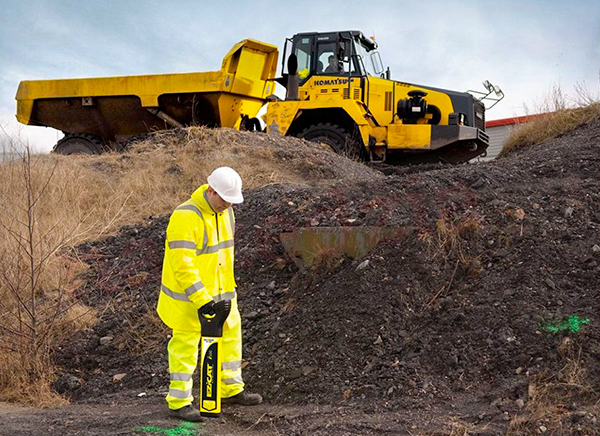
The N304 course combines relevant theory with hands-on use of a Cable Avoidance Tool and signal generator, often referred to as a CAT and Genny.

Candidates are shown how different locating modes work, how signals can be applied and traced, and how site conditions or incorrect operating techniques can affect the results.

Who Should Take the N304 Course?

The course is suitable for people who locate underground services or work in areas where the ground will be excavated, penetrated or disturbed.

This may include:

  • groundworkers and excavation teams;
  • plant operators;
  • utility and street works personnel;
  • civil engineering contractors;
  • highways and maintenance workers;
  • site supervisors;
  • facilities and estates teams;
  • employees responsible for checking an area before digging starts.

Training can be provided for complete beginners as well as experienced workers who require refresher training or formal assessment. The appropriate route will be agreed after reviewing the candidate’s previous experience.

What Does the NPORS N304 Course Cover?

Course content may be adapted to the equipment, working environment and experience of the candidates. Topics normally include:

  • responsibilities when working near underground services;
  • relevant health and safety legislation and guidance;
  • the purpose and limitations of cable avoidance equipment;
  • identifying the controls and functions of the locator;
  • Cable Avoidance Tool and signal generator operating modes;
  • pre-use checks and defect-reporting procedures;
  • interpreting utility plans and other available site information;
  • recognising different types of underground services;
  • hazards associated with electricity, gas, water and telecommunications;
  • systematic search techniques;
  • direct connection and signal induction methods;
  • using compatible accessories where applicable;
  • recognising weak, distorted, lost or misleading signals;
  • tracing and marking the likely route of a service;
  • safe digging practices and the use of trial holes;
  • cleaning, checking and storing the equipment after use.


The course is based on the NPORS learning outcomes for the N304 Cable Avoidance Tool category.

Practical Cable Avoidance Training

The practical element gives candidates an opportunity to use the equipment under the supervision of an instructor.

Candidates may be asked to complete a systematic scan, use the signal generator, follow a detected signal and explain how they would communicate and record their findings. They will also need to demonstrate that they understand when the results are uncertain and when work should stop for further checks.

A cable locator does not replace planning, utility drawings, risk assessments or safe excavation procedures. It is one part of the process used to reduce the risk of damaging buried services.
Assessment

Candidates complete the relevant NPORS assessment following their training. The assessment checks both underpinning knowledge and the practical use of the equipment.

The exact training and assessment arrangements will depend on the candidate’s experience and the NPORS registration route selected at the time of booking.

Course Duration

Course duration varies according to previous experience, the number of candidates and the training route required.

Novice candidates may require more instruction and practical time than experienced operators completing refresher training or assessment preparation. CPTS will confirm the expected duration after reviewing your requirements.

NPORS Registration

Following successful completion of the required training and assessment, candidates can be registered for the appropriate NPORS product agreed before the course.

Traditional NPORS registration may be issued for either three or five years. The suitable registration, card or certificate option should be confirmed with CPTS before booking, particularly where an employer or site has specific requirements.

Entry Requirements

No previous Cable Avoidance Tool qualification is normally required for novice training.

Candidates should:

  • have sufficient understanding of spoken and written English to follow the course and assessment;
  • provide the identification requested in their joining instructions;
  • be medically fit to participate in the practical exercises;
  • wear suitable clothing and any personal protective equipment specified before the course.


Tell us about any additional learning or accessibility requirements when making an enquiry so that suitable arrangements can be considered.

On-Site Cable Avoidance Tool Training

The NPORS N304 course can be delivered at suitable workplaces across the UK.

For on-site delivery, the customer will normally need to provide an appropriate practical area, relevant site information and suitable serviceable equipment. Additional requirements will be confirmed before the booking is accepted.

Training can also be arranged at our centre near Wellingborough for candidates who do not have access to an appropriate training area.

Why Book Your N304 Training with CPTS?

CPTS provides practical training for individuals, contractors and employers across the UK. We can help you select the correct training route based on the candidates’ experience, working environment and registration requirements.

Group and on-site bookings can reduce travel and allow the practical exercises to reflect the equipment and procedures used by your team.

Book an NPORS N304 Cable Avoidance Tools Course

Send us your location, preferred dates, number of candidates and their previous experience.

We will confirm the appropriate training route, expected duration, site requirements and available NPORS registration options before providing a quotation.

FAQ - NPORS N304 Cable Avoidance Tools Course

What is the NPORS N304 Cable Avoidance Tools Course?

The N304 course provides training and assessment for people who use cable locating equipment before excavation or other ground-disturbance work. It covers equipment checks, operating modes, systematic searches, signal interpretation, marking detected routes and the safe use of a signal generator.

Is N304 the same as CAT and Genny training?

CAT and Genny is a commonly used name for training involving a Cable Avoidance Tool and signal generator. N304 is the NPORS category for Cable Avoidance Tool training and assessment. The exact equipment used should be confirmed when booking.

Who should take the NPORS N304 course?

The course is suitable for people who locate buried services or work where the ground may be excavated, drilled or penetrated. This can include groundworkers, plant operators, utility teams, highways workers, civil engineering contractors, supervisors and maintenance personnel.

Can a Cable Avoidance Tool detect every underground service?

No. Some services may not produce a detectable signal, and site conditions can affect the reading. A locator should be used with available utility plans, site information, suitable accessories and safe excavation procedures rather than treated as a guarantee that an area is clear.

Why is a signal generator used with a cable locator?

A signal generator can apply a detectable signal to a suitable service, allowing its likely route to be traced with the locator. The operating method and any connections or accessories must be appropriate for the equipment and the service being investigated.

Should the area be scanned again after excavation starts?

Yes. Locating equipment should be used frequently as work progresses. Repeating the scan can help identify changes in the apparent position or direction of a service and reduce the risk of relying on the results of a single initial search.

Does CAT and Genny training replace utility drawings or a permit to dig?

No. Cable avoidance equipment is one part of a safe system of work. Available plans and site information should still be reviewed, the work properly planned and the required risk assessments, permits and safe digging procedures followed.

Do I need previous experience to take the N304 course?

No. Novice training can be provided for candidates who have not previously used cable avoidance equipment. Experienced users may be suitable for refresher training, assessment preparation or an experienced worker route, depending on their knowledge and practical ability.

What does the N304 assessment involve?

Candidates must demonstrate relevant knowledge and the practical ability to check and operate the equipment. This can include selecting appropriate operating modes, completing a systematic search, using the signal generator, interpreting readings and explaining what action to take when the results are uncertain.

How long does the NPORS N304 course take?

The duration depends on the candidates’ previous experience, the number of people attending and the training route required. CPTS will confirm the expected timetable after reviewing your booking requirements.

How long is the NPORS registration valid?

A traditional NPORS registration may be issued for either three or five years. NPORS cards carrying the CSCS logo follow different requirements and validity periods, so the correct registration route should be agreed with CPTS before booking.

Can N304 training be delivered at our workplace?

Yes. On-site training can be arranged at suitable workplaces across the UK. An appropriate practical area, relevant site information and serviceable cable avoidance equipment will normally be required. Training can also be arranged at the CPTS centre near Wellingborough.

How much does the NPORS N304 course cost?

The price depends on the number of candidates, their previous experience, the training route, location and equipment arrangements. Send CPTS these details to receive an appropriate quotation.

REQUEST COURSE DATES OR LET US KNOW YOUR SPECIFIC COURSE REQUIREMENTS

Other NPORS courses

Thank you for contacting us!

We appreciate your message and will respond as soon as possible.