For Companies: pay only 30% with CITB Employer Network Funding

Enquire now

NPORS N133 Plant Machinery Marshal Course

NPORS N133 Plant Machinery Marshal Course

The NPORS N133 Plant Machinery Marshal Course provides training and assessment for people who direct construction plant and vehicle movements within a controlled worksite.

Candidates learn how to prepare a safe manoeuvring area, separate pedestrians from moving equipment, agree communication methods with operators and guide plant through forward, reversing and restricted-space movements.

Novice and experienced worker routes are available. Training can be delivered at our centre near Wellingborough or at a suitable customer site elsewhere in the UK.


What Does a Plant Machinery Marshal Do?

A plant machinery marshal helps control the movement of mobile plant and vehicles within the worksite.

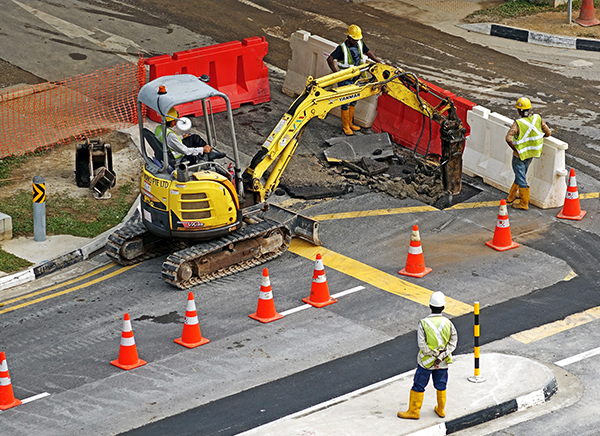
The role may involve directing excavators, dumpers, rollers, loading shovels, telehandlers and other wheeled or tracked equipment into working, loading, unloading or parking positions.

Before movement begins, the marshal checks the intended route and surrounding area. They identify blind spots, crush zones, overhead restrictions, unsuitable ground and places where pedestrians or other workers could enter the manoeuvring area.

The marshal then agrees a clear communication method with the operator and directs the movement from a position where they can remain visible without placing themselves in danger.

The machine operator remains responsible for operating and controlling the equipment.

Who Should Take the N133 Course?

The course is suitable for people who guide or control the movement of construction plant and site vehicles.

This can include:

  • plant and vehicle marshallers;
  • construction operatives;
  • groundworkers;
  • logistics and delivery teams;
  • yard personnel;
  • supervisors responsible for plant movements;
  • workers supporting loading and unloading activities;
  • employees directing equipment through restricted areas;
  • people commonly referred to as plant banksmen.


Novice training is available for people with limited or no previous marshalling experience.

An experienced worker route may be appropriate for candidates who already perform the role and can demonstrate sufficient practical experience. Their suitability must be assessed before the shorter route is agreed.

What Does the NPORS N133 Course Cover?

The course combines relevant theory with practical marshalling exercises.

Topics normally include:

  • the duties and limitations of a plant machinery marshal;
  • the responsibilities of the plant operator and other site personnel;
  • relevant health and safety legislation and industry guidance;
  • interpreting traffic management plans and site procedures;
  • risk assessments and method statements;
  • identifying the purpose and movement requirements of different plant;
  • pedestrian and plant segregation;
  • restricted zones and exclusion areas;
  • controlling entry to a manoeuvring area;
  • checking travel routes and destination points;
  • overhead, underground and proximity hazards;
  • ground conditions and machine stability;
  • blind spots and limitations to operator visibility;
  • potential crush and trapping zones;
  • sufficient space for turning and manoeuvring;
  • loading, unloading, tipping and parking areas;
  • stop blocks and edge protection where applicable;
  • recognised hand signals;
  • radio, verbal and visual communication;
  • directing forward and reversing movements;
  • working in confined or restricted spaces;
  • guiding wheeled and tracked plant;
  • lighting requirements for poor visibility or night work;
  • emergency and incident-reporting procedures;
  • environmental considerations and spill response;
  • completing end-of-work checks within the marshalling area.


The precise exercises will depend on the course route, equipment and training location.

Practical Plant Marshal Training

The practical element develops the skills needed to control plant movements without entering a blind spot or crush zone.

Candidates may be required to:

  • inspect the proposed manoeuvring area;
  • identify hazards and access restrictions;
  • establish pedestrian controls;
  • set up a restricted zone;
  • agree signals with the operator;
  • position themselves where the operator can see them;
  • direct plant in forward and reverse directions;
  • guide equipment through a restricted space;
  • control entry into loading, unloading or parking areas;
  • use hand signals and radio communication;
  • stop the movement when communication is lost;
  • respond to pedestrians or other workers entering the area;
  • complete the required end-of-work procedures.


The practical assessment must include both forward and reversing movements as well as work involving restricted spaces or blind areas.

Hand Signals and Radio Communication

The marshal and operator must agree how they will communicate before the movement starts.

Depending on the site and task, communication may involve:

  • recognised hand signals;
  • two-way radios;
  • verbal instructions;
  • signalling wands;
  • fluorescent gloves or flags;
  • other visual signalling equipment.


Signals should be clear, consistent and given by one authorised person unless the planned system requires additional marshallers.

The operator must stop if a signal is unclear, if communication is lost or if the marshal disappears from view. Movement should not restart until the communication method has been restored and both parties understand the next instruction.

Blind Spots and Safe Positioning

Construction machines can have significant areas that the operator cannot see directly or through mirrors and cameras.

The marshal must understand these limitations and choose a position that:

  • remains visible to the operator;
  • is outside the machine’s travel path;
  • avoids articulation and slew areas;
  • provides a safe escape route;
  • keeps them away from fixed objects and crush points;
  • allows the full movement to be monitored.


Cameras, mirrors, proximity sensors and warning alarms can assist the operator, but they do not remove the need for an appropriate safe system of work.

Pedestrian Segregation and Restricted Zones

Separating people from moving plant is one of the most important site transport controls.

Before directing a movement, the marshal may need to establish a restricted area using barriers, signs, cones or other suitable controls.

Entry and exit points must be managed so that pedestrians and unauthorised workers cannot walk into the machine’s operating or travel area.

Where safe segregation cannot be maintained, the movement should not continue until suitable controls have been restored.

Loading, Unloading and Tipping Areas

Plant and vehicle movements around loading, unloading and tipping areas can expose workers to additional risks.

The marshal must consider:

  • sufficient space for the machine and its load;
  • pedestrian access;
  • ground stability;
  • overhead restrictions;
  • excavations, edges and changes in level;
  • stop blocks and edge protection;
  • interaction with loading equipment;
  • other machines working nearby;
  • the planned entry and exit route;
  • visibility between the marshal and operator.


The marshal directs the movement into the required position but does not take over the operating duties of the machine driver.

What Is Not Covered by N133?

The N133 course does not qualify a candidate to operate the plant being marshalled.

Separate training and registration may be required for excavators, dumpers, telehandlers, loading shovels and other plant categories.

The course also does not qualify someone to:

  • plan or supervise lifting operations as an Appointed Person;
  • attach or control suspended loads as a slinger/signaller;
  • operate construction plant;
  • manage traffic on a public highway;
  • redesign the site traffic management plan without authorisation.

The marshal must work within the agreed site procedures, traffic plan and risk-control arrangements.

N133 Plant Machinery Marshal or N403 Vehicle Marshal?

The correct course depends on the type of equipment and workplace involved.

N133 is generally more appropriate where the person will direct construction plant as well as vehicles within a construction-site environment. It includes wheeled and tracked plant, restricted working areas, loading and unloading zones, pedestrian segregation and plant-specific visibility hazards.

N403 Vehicle Marshal focuses on directing workplace vehicle movements.

Because some employers use terms such as banksman, traffic marshal, vehicle marshal and plant marshal interchangeably, the intended duties should be reviewed before booking.

CPTS can help identify the appropriate NPORS category after discussing the equipment, workplace and movements involved.

Is N133 the Same as Slinger/Signaller Training?

No.

A plant machinery marshal directs the travel and positioning of plant and vehicles.

A slinger/signaller attaches lifting accessories to loads, controls suspended loads and communicates with the operator during a lifting operation.

Candidates who will work with suspended loads may require the NPORS N402 Slinger/Signaller category. Operating the lifting machine may require an additional plant category.

NPORS N133 Assessment

Candidates complete a knowledge test and practical assessment.

The assessment may require the candidate to demonstrate that they can:

  • interpret the information provided for the task;
  • inspect the work area;
  • identify plant and pedestrian hazards;
  • establish suitable control measures;
  • set up a restricted zone;
  • agree communication methods with the operator;
  • use recognised hand signals;
  • guide wheeled and tracked equipment;
  • direct forward and reversing movements;
  • control movement through restricted and blind areas;
  • respond correctly when conditions become unsafe;
  • complete the required end-of-work procedures.


Successful completion shows that the candidate has met the assessment requirements for the selected NPORS category and registration route.

Novice and Experienced Worker Routes

Novice training

The novice route is intended for people who have limited or no demonstrable experience of plant and vehicle marshalling.

Training includes theory, instructor demonstrations, supervised practice and assessment. Previous experience of working on a construction site and familiarity with basic site terminology can be helpful but are not normally mandatory.

Experienced worker training and assessment

The experienced route is intended for candidates who already possess relevant knowledge and practical marshalling experience.
Candidates must be profiled before this route is selected. The decision should be based on evidence of their knowledge and ability rather than a preference for a shorter course.

Additional training may be required where the initial review identifies gaps.

Course Duration

The duration depends on:

  • whether novice or experienced worker training is required;
  • the number of candidates;
  • their previous site and marshalling experience;

  • the machines used during the practical exercises;
  • the training location;
  • the selected NPORS registration route.


Current plant and vehicle marshaller standards allocate more training time as the number of novice learners increases so that each person receives sufficient practical involvement.

CPTS will confirm the course timetable after reviewing the candidates and proposed arrangements.

Entry Requirements

No previous plant marshal qualification is normally required for novice training.

Candidates should:

  • have sufficient understanding of spoken and written English to follow the training and assessment;
  • provide the identification specified in their joining instructions;
  • be medically fit to participate in practical exercises;
  • wear suitable clothing and the required personal protective equipment;
  • follow the site and instructor’s safety instructions;
  • tell CPTS about any learning or accessibility requirements before the course.


Candidates proposed for the experienced worker route must also provide suitable evidence of previous experience.

NPORS Card and Registration Options

The appropriate registration route should be confirmed before training takes place.

Available products may include:

  • NPORS Traditional registration;
  • NPORS/CSCS Trained Operator Card;
  • NPORS/CSCS Competent Operator Card.


A Traditional NPORS registration may be issued for three or five years, depending on the requirements agreed by the candidate, employer and training provider.

The NPORS/CSCS Trained Operator Card is normally valid for two years and is intended for candidates who have not yet achieved the required vocational qualification.

The NPORS/CSCS Competent Operator Card is normally valid for five years and requires the applicable vocational qualification and scheme requirements to be met.

CPTS will explain the available options and evidence required for the intended working environment.

On-Site Plant Machinery Marshal Training

N133 training can be delivered at a suitable customer site.

The customer will normally need to provide:

  • suitable wheeled and tracked plant where required;
  • qualified and authorised machine operators;
  • a segregated practical training area;
  • sufficient space for forward, reversing and restricted-space exercises;
  • suitable loading, unloading or parking locations;
  • barriers, signs and traffic-management equipment;
  • relevant risk assessments and site information;
  • welfare facilities.

The training area must be separated from productive work. Machines and equipment required for the course should remain available throughout the training and assessment rather than being shared with normal site operations.

CPTS will review the proposed location and resources before confirming the booking.

Training at Our Wellingborough Centre

The course can also be arranged at our training centre near Wellingborough.

Centre-based training may be suitable for individuals or businesses that do not have an appropriate segregated area, machine or operator available at their own workplace.

Provide details of the candidates’ experience when enquiring so that the correct training route can be selected.

Why Book N133 Training with CPTS?

CPTS provides NPORS training for individuals, contractors and employers across the UK.

Before confirming the course, we review the intended duties, equipment, candidate experience and registration requirements. This helps prevent candidates from booking a vehicle marshal, plant marshal or slinger/signaller category that does not match their actual role.

On-site delivery can also allow employees to practise with plant and procedures relevant to their workplace, provided the training area meets the required safety and assessment conditions.

Book the NPORS N403 Vehicle Marshal Course

When enquiring, tell us what vehicles are involved, where the training will take place and how much marshalling experience the candidates have.
We can then confirm the training route, practical requirements and appropriate NPORS registration option.

Call CPTS on 01234 604 151 or use the course enquiry form for current dates and prices.

FAQ - NPORS N133 Plant Machinery Marshal Course

What is the NPORS N133 Plant Machinery Marshal Course?

The N133 course provides training and assessment for people who direct construction plant and vehicle movements within a controlled worksite. It covers route checks, exclusion zones, blind spots, communication methods, pedestrian segregation and safe positioning during manoeuvres.

What does a plant machinery marshal do?

A plant machinery marshal checks the proposed route and manoeuvring area, identifies relevant hazards and agrees a communication method with the operator. They then guide the equipment while remaining visible and outside its travel path, blind spots and crush zones.

Is a plant machinery marshal the same as a plant banksman?

Plant banksman is a commonly used name for someone who directs construction plant. Job titles vary between employers, so the actual duties, equipment and working environment should be reviewed before deciding whether N133 is the appropriate course.

What is the difference between N133 and N403 Vehicle Marshal?

N133 is intended for people directing construction plant and vehicles within worksite environments, including wheeled and tracked machinery. N403 focuses more specifically on workplace vehicle movements. The correct category depends on the equipment and duties involved.

Is N133 the same as Slinger/Signaller training?

No. A plant machinery marshal directs the travel and positioning of plant. A slinger/signaller attaches lifting accessories, controls suspended loads and communicates with an operator during a lifting operation. That role is covered by NPORS N402.

Does N133 qualify me to operate construction plant?

No. N133 covers marshalling duties and does not qualify the candidate to operate an excavator, dumper, roller, telehandler, loading shovel or other machine. A separate operator category may be required for the equipment concerned.
Do I need previous plant marshalling experience?
No. Novice training is available for candidates with little or no previous experience. An experienced worker route may be suitable for people who already perform the role and can provide evidence of their knowledge and practical ability.
What types of plant may be used during N133 training?
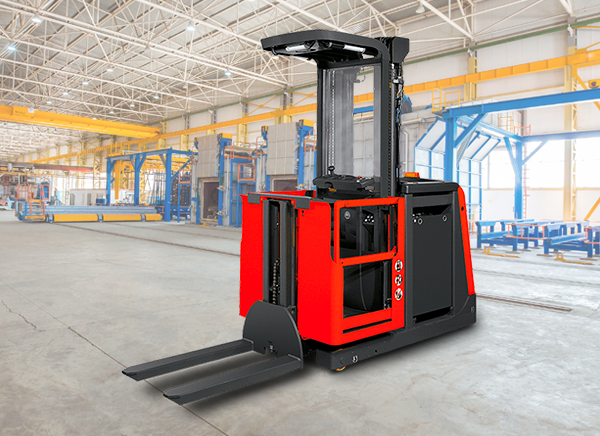
The practical exercises may involve wheeled or tracked plant such as excavators, dumpers, rollers, loading shovels or telescopic handlers. The machines used will depend on the training location, available equipment and planned assessment arrangements.

What should happen if the operator loses sight of the marshal?

The operator should stop the machine immediately. Movement should not restart until visual contact or the agreed communication method has been restored and both the operator and marshal understand the next instruction.

Do cameras and proximity sensors remove the need for a marshal?

Not necessarily. Cameras, mirrors, alarms and proximity systems can assist the operator, but they have limitations. The need for a marshal should be determined by the site risk assessment, traffic plan, equipment visibility and other available controls.

What should happen if a pedestrian enters the manoeuvring area?

The plant movement should be stopped. Work should not continue until the pedestrian has left the restricted area, suitable segregation has been restored and the marshal has confirmed that the route is clear.

Can more than one marshal direct the same machine?

One person should normally give instructions to the operator to avoid conflicting signals. Additional marshallers may be required for complex routes or restricted visibility, but their responsibilities and communication arrangements must be agreed before movement begins.

What does the NPORS N133 assessment involve?

The assessment checks the candidate’s knowledge and practical ability. It may include inspecting the work area, establishing a restricted zone, agreeing signals, directing forward and reversing movements and guiding plant through restricted or blind areas.

How long does the NPORS N133 course take?

The duration depends on whether novice or experienced worker training is required, the number of candidates, their previous experience and the practical arrangements. CPTS will confirm the appropriate timetable after reviewing the booking requirements.

How long is an NPORS Plant Machinery Marshal registration valid?

A traditional NPORS registration may be issued for three or five years. NPORS cards carrying the CSCS logo have separate qualification and validity requirements, so the appropriate registration route should be confirmed with CPTS before booking.

Can N133 training be delivered at our workplace?

Yes. On-site training can be arranged where suitable plant, authorised operators and a segregated practical area are available. The training area must provide enough space for forward, reversing and restricted-space exercises without interfering with productive work.

How much does the NPORS N133 course cost?

The price depends on the training route, number of candidates, location, course duration and equipment arrangements. Send CPTS details of the candidates, site and plant available to receive an appropriate quotation.

REQUEST COURSE DATES OR LET US KNOW YOUR SPECIFIC COURSE REQUIREMENTS

Other NPORS courses

Thank you for contacting us!

We appreciate your message and will respond as soon as possible.